
Nutrition
Health Assessment
By : Natasha, Sybil & Francine
BRIEF
“Young people are making poor nutrition choices which may lead to serious health consequences”
Consider the above statement. Now narrow your focus to explore major causes that may lead to young people making poor choices. Your final product will aim to be a solution to this problem.
Issue - Lack of knowledge about important nutrition values and its negative effects
Solution - To address and help adolescents understand important nutrition choices and values by spreading public awareness through a website of which will be accessed for free
Group Roles
Public Health Researcher - Natasha
Investigative Journalist - Sybil
Nutritionist - Francine
INVESTIGATIVE JOURNALIST
WHAT ARE NUTRITIONAL VALUES AND HOW DO WE IDENTIFY THEM/WHY ARE THEM IMPORTANT?
You are responsible for researching any trends that appear to be occurring in the nutrition of young people today that was not apparent in years gone by.
Food Pyramid
The iconic food pyramid was released in 1992 by the USDA (United States Department of Agriculture). It portrayed the elements of what a healthy diet consists of. The pyramid made appearances in all type of media, food labels, articles, brochures and was widely taught in schools. The information presented in the pyramid is said to have been ‘shaky’ and inaccurate in a sense. Eventually the Food Guide Pyramid was replaced and in 2005 USDA presented MyPyramid. Criticism grew around MyPyramid and in 2011 another replacement was published, MyPlate.
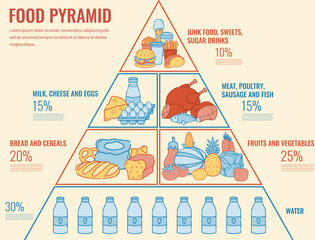
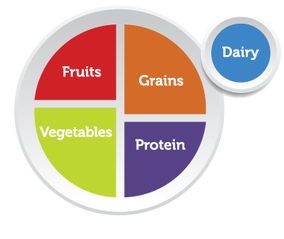
MyPlate is very simple and straightforward, making becoming healthy easier. Vegetables, fruits, grains, protein and dairy are the simply divided amongst a plate and cup.
Food Labels
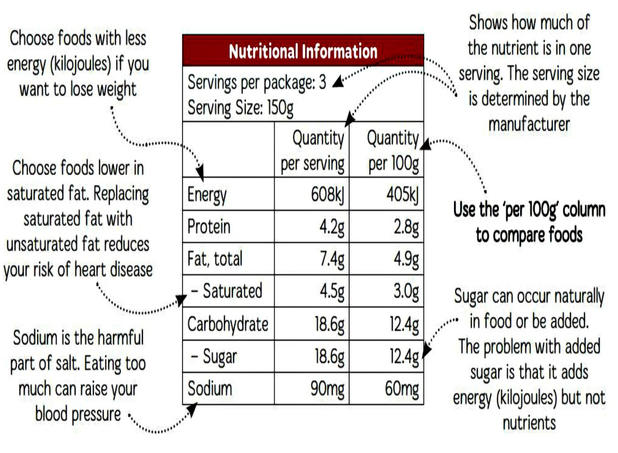
It can be very difficult making the healthy decisions if you aren’t aware of what is healthy for you. Food labels can help you make these healthy decisions but only if you read them correctly.
The ingredients list provides a list of all the used products in the food. These list helps you distinguish the sources of fat, sugar and salt. In addition to that, the list shows how many extra ingredients have been added to the product.
Quantity per serving shows much of the nutrient is in one serving. The serving size varies. This is why when you want to compare foods, use the ‘per 100g’ column. If you are calculating how nutritious, or how many kilojoules you will actually eat, read the ‘per serve’ column.
In regards to total fat, choose foods with less than 10g per 100g. If the product is milk, yogurt or ice cream, chose less than 2g per 100g. The recommended amount of total fat for cheese is 15g per 100g.
Chose foods lower in saturated fat. When reading for saturated fat, attempt for it be as low as possible, ideally 3g per 100g. If possible, attempt to replace saturated fat with unsaturated fat as it can reduce your risk of heart disease.
Sodium is the harmful part of salt. If you eat too much of it, your blood pressure may be raised. Food with less than 400mg per 100g of sodium are good, and less than 120mg per 100g are even better.
Sugar can occur naturally in food or be added. If the sugar in the product is greater than 15g per 100g, check that sugar is not listed high on the ingredient list. That way, you can make an informed decision if all that sugar in your food is really necessary (it’s probably not). The problem with added sugar is that it adds energy (kilojoules) but not nutrients. If you are wanting to lose weight, attempt to purchase foods with less energy (kilojoules).
Celebrity Chefs
Simon Gault
Simon Gault is a renowned New Zealand chef and former Executive Chef of the Nourish Group. He is extremely passionate about New Zealand’s nutrition and health choices, in particular sugar.
Gault has spent three years refining his sugar-free tomato sauce sweetened naturally with vegetables. His product was sold at the 2017 Food Show at ASB Showgrounds. Gault is well aware of how New Zealanders consume sugar and the problematic health consequences, as Gault himself was diagnosed with diabetes several years back. He believes that how we consume sugar is one of the main causes behind obesity, and that his product is a step in the right direction. While his product cost $7.49 for a 475g bottle, which is more expensive than a regular bottle, Gault states it’s due to the fact vegetables are more expensive than sugar.
Jamie Oliver
Jamie Oliver is a famous British chef and restaurateur. The 2005 show, ‘Jamie’s School Dinners’ follows Jamie Oliver as he attempts to improve the quality and nutritional value of school dinners at a typical British school. A broader campaign called Feed Me Better aimed to improve school dinners throughout Britain followed the primary goal of the show.An online petition on the Feed Me Better website had 271,677 signatures and was delivered to 10 Downing Street on 30 March 2005. Through local and city councils, certain junk foods were banned from schools. Fried foods are permitted to only be served twice a week and soft drinks are no longer around.
DIETICIAN/NUTRITIONIST
HOW UNDERSTANDING NUTRITIONAL VALUES AFFECTS YOUR BODY
You are responsible for researching how the body breaks down and uses food. What are the different food groups and why does our body need them, in what quantities does it need them and why?
Important Points
Levels of activity e.g. playing sports Differents heights and weight Allergies Cultures Different family circumstances e.g. depends on budget

Summary
Young people should consider what they are eating and know what kind of food they should be eating for the betterment of their future.
They are growing at different rates and times. As of that, it will affect the types of nutrients they will need for a healthy body.
Here are the following that need to be considered :
Firstly being involved in various levels of activity e.g. playing sports, depending on the sport that they play as there is a possibility that they will change their eating habit such as eating junk foods.
Secondly, having a different culture will affect their lifestyle of eating as most of them are not allowed to have meats. However, by not having meats is a good thing because they don’t have a choice but to eat vegetables.
Thirdly, their different family circumstances will mostly affect their healthy living. Some families cannot afford to buy healthy foods as it will be depending on their budget.
Fourthly, allergies are the most complicated situation that young people need to consider because they have to avoid the foods that they can’t have.
Lastly, having different heights and weights will certainly affect how you live in the future. Young people who want to grow taller will consider eating food with protein or with Vitamin D and adding them into their diets. An example for weight, some young people consider eating more as most of them can be underweight.
In overall, these types of consideration is important in young people as they will know how to maintain a healthy lifestyle. It will also improve their decision making and discipline on their food.
What can happen to our body if it is deficient in anything?
Being deficient in anything (such as vitamin C, A or D, Magnesium, Iron etc) can lead to negatives impacts to your health and more likely suffer from it.
Minerals are essential when trying to stay healthy- some are absolutely necessary to have and others, not so much. Calcium and Iron are one of the important minerals that are beneficial for your health. Without enough Calcium, an adults bones can lose minerals and become weaker; a child's teeth and bones won't grow stronger and straight. If you lack on Iron, your body won't be able to make the hemoglobin it requires to carry energy-sustaining oxygen to every tissue. This results in having a condition call anemia, which leaves you being tired and weak.
Vitamin deficiency anemia is when don't have a lot of healthy red blood cells. It can be caused when you are low on normal amounts of certain vitamins. Vitamins linked to vitamin deficiency anemia could be folate, vitamin B-12 and vitamin C. This happens you don't eat food that contains certain Vitamins that is beneficial for your health.
some of these symptoms that caused by vitamin deficiency anemia could be :
FatigueShortness of breathDizzinessPale or yellowish skinIrregular heartbeatsWeight lossNumbness or tingling in your hands and feetMuscle weaknessPersonality changesUnsteady movementsMental confusion or forgetfulness
The quality of every human life is determined very early on by nutrition. Without access to simple but vital micronutrients, either through diet, fortification or supplementation, an individual can suffer tremendously – otherwise avoidable – lifelong hardship.
How Our Body Breaks Down & Uses Food
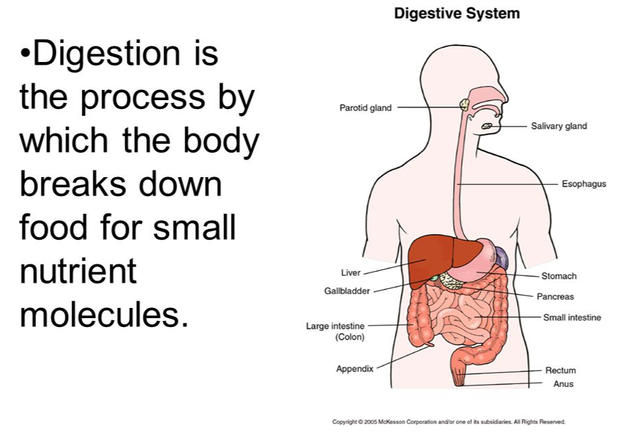
Digestion refers to the breakdown of food into smaller components that can be absorbed into the bloodstream.
Our bodies digest the food by mixing it with fluids (acids and enzymes) in the stomach. When the stomach digests the food that has been consumed, the carbohydrates in the food breaks down into glucose, and that can be used for energy or as materials to repair and build new tissues for the body.
The liver sends the glucose into the bloodstream to use it as instant energy.
Once the bloodstream had enough glucose, the liver takes the extra glucose from the carbohydrates and turns it into glycogen which is stored energy that can be kept in the liver and muscles (can only take about 2000 calories). Once both immediate and stored energy is full, the extra glucose is stored as fat and fat tissue
Your body also uses proteins in 3 different ways- used as building blocks, used as energy, or stored as fat. During the digestive process, proteins are broken down into their amino acids and can be used to make enzymes, hormones, tissues etc. if the body is running out of fuel, it can convert the proteins into energy. If your body does not need protein (for situations like build and maintain tissues or transport proteins that transfer fat throughout the body and also to make antibodies that help neutralise some of the bacteria and viruses in the body), it could be converted to and stored as fat
Fat is also used. It can be used for many parts of cell membranes, can be stored as energy in liver and fat tissue. It can be used as energy in the form of glucose
Nutrition Value in Foods
Grains
Food such as rice, noodles, oats, cereals, bread and many more are part of the Food Group. Eating grains especially whole grains provide a numerous amount of health benefits, and people who eat whole grains as part of their healthy diet will least likely get chronic diseases. Grains contain important nutrients, fibre, B vitamins and minerals.
High-fibre foods such as whole grains give us the feeling of being full without gaining more calories and choosing the right amount of high fibre food may help maintain your weight.
Benefits :
reduce the risk of some chronic diseases.Lessen blood cholesterol levels.Lower the risk of getting heart disease, obesity, and type 2 diabetes.Help with weight loss reduce having constipation
it is recommended to have 5-8 ounces of grains every day, and one-half of them should be whole grains

Protein
Protein supply the right amount of nutrients that are from meat, poultry, fish, beans and peas, egg, nuts and seed. The nutrients that are contained in the food are B vitamins (niacin, thiamin, riboflavin, and B6), vitamin E, iron, zinc, and magnesium.
Proteins are in every cell in the human and proteins are the foundation for bones, muscles, cartilage, skin and blood. Protein is needed in many diets as it helps your body to repair cells and make new ones.
B vitamins in the food group beneficial for the functions in the body. It helps release energy, has a vital role in the nervous system aid in the formation of red blood cells, and lastly, help build tissues.
U.S. Department of Health and Human Services has recommended that young children, most women and older people need two daily servings for a total of five ounces. Teenage boys and active men can get the right amount of protein they need from three daily servings. For children who are older, teen girls, active women, and most men, the guidelines give the nod to two daily servings for a total of six ounces.

Vegetables
Different varieties of Vegetables give your body a massive amount of nutrients, e.g. fibre, folate, vitamins like A and C, and potassium. People who eat vegetables as part of their daily diet reduces the risk of having many chronic diseases. E.g. vegetables like broccoli, spinach, garlic provide additional benefits which makes them a superfood.
The health benefits of vegetables are that it contains a high nutrient content. Vegetables are packed with vitamins and minerals that help with growth and support good health.
Vegetables are high in potassium that is helpful when maintaining your blood pressure. Various vitamins, such as C and A, are in charge of keeping the eyes, skin, teeth, and gum healthy,
help keep eyes, skin, teeth and gums healthy, fight infection and help wound healing. Folate inside of vegetables helps the body form healthy blood cells
it recommended by USDA to eat 5-9 servings of fruits and vegetables per day so the risk of getting diseases will be lowered.

Fruit
Fruits are known for having a good source of vitamins, minerals, and nutrients. Some of those could be Vitamin A, B6, C, folic acid, potassium, magnesium and antioxidants. People who have food in their overall healthy diet can reduce the risk of having a chronic disease.
The fibre in fruits reduce cholesterol, promotes a healthy digestive system, and levels regulate blood sugar levels, absorption of carbs and enhanced satiety. Also, studies have revealed that soluble fibre can help you lose weight. Fruits contain potassium which helps lessen the risk of heart disease and stroke. Vitamin C in fruits is vital for growth and repair body tissues, helps heal cuts and wounds, and keeps teeth and gums healthy.
Some other benefits
Eating a diet rich in fruit may reduce the risk of other cardiovascular diseases and type-2 diabetesprotect against certain types of cancerFruit helps maintain optimum health
The ideal amount of fruit you will need to eat per day lies around in the middle. It is recommended for people to eat for fruit is five to nine servings of fruits so they can get enough vitamins and minerals to keep them healthy.

Dairy
Dairy food contains a lot of Calcium and protein that our body to become more healthier. Consuming dairy products has shown to help improve bone health, may reduce the risk of osteoporosis. Vitamin D operates in the body to reach the proper levels of calcium and phosphorous, therefore, helping to build and keep bones.
Most dairy products, e.g. Dairy products, especially yogurt, fluid milk, and soymilk (soy beverage) have a good source of Calcium that helps our bones and teeth grow strong.
Children up to 8 years old should get about 1½ – 2 serves, and Older children and adolescents 2½ – 3½ serves of Dairy
Older children and adolescents need more servings as they are growing and need extra calcium to maintain healthy teeth and bones

Public Health Researcher
WHAT HAPPENS WHEN YOU ARE UNAWARE OF NUTRITIONAL VALUES
You are responsible for researching data that may help in understanding your problem. Is there any data on patterns between food choices and health issues. Is there any data on high risk groups? Who should we be most concerned about and why?
Obesity
One of the problems that occurred due to having a poor understanding of nutrition between adolescents and adults are obesity.
Obesity Rates/Data :
Around 100,000 children aged 2-14 (12.3%) are obese. Child obesity rates faced no drastic increase since 2011/12 (10.7%) although it increased since 2006/7 (8.4%)Children living in economically deprived neighbourhoods were 2.5 times more likely to be obese when compared to children living in least socioeconomically deprived neighborhoods.
The data presented seemed very reasonable as when you hold little to no understanding of nutritional values and what you are eating, you tend to consume something of very little health value. This will lead to overeating a product of which sacrifices your health and well-being.
Obesity rates to this day still increase as food products consisting of little nutritional benefits are more cheaper in comparison to healthy products. This allows for many people to easily consume unhealthy foods as they are inexpensive. High prices of healthy food will result in a low motivation to start eating better.
NZ Food and Nutrition - 2009/11 around
Data on nutrition intakes, eating patterns, frequently eaten food etc.
Most New Zealanders do not meet the recommended intake of calciumThe proportion of women with iron deficiency doubled since 1997 (jumped from 2.9% to 7.2%)One of four people in NZ had an adequate intake of zincTotal blood cholesterol levels dropped in both men and women by 10%Total fat to energy intake fell 1.7% to 33.7% over in the last 12 years
From the data above, I can conclude that having a lack of knowledge between important food groups and nutritional values leads to a person lacking important nutrition intakes. This is often caused by not having been exposed to and taught topics like these. This issue becomes concerning as it negatively affects a persons well-being and life.
The relationship between high prices and healthy food is incessant and becomes a problem as not everyone has money to buy nutritionally adequate and safe foods. This then leads to undernourishment and even obesity if they can afford cheap unhealthy products.
IMPORTANT LINKS
Investigative Journalist
https://www.nzherald.co.nz/business/news/article.cfm?cid=3&objectid=11895343
https://www.choosemyplate.gov/brief-history-usda-food-guides
https://www.hsph.harvard.edu/nutritionsource/healthy-eating-plate/
https://www.heartfoundation.org.nz/wellbeing/healthy-eating/how-to-read-food-labels
http://www.unlockfood.ca/en/Articles/Nutrition-Labelling/Decoding-the-Nutrition-Label.aspx
https://en.wikipedia.org/wiki/Jamie%27sSchool_Dinners
Dietician/Nutritionist
https://www.ahealthiermichigan.org/2015/04/28/why-all-5-food-groups-are-essential-to-maximizing-your-health/
https://www.gosh.nhs.uk/children/general-health-advice/eat-smart/food-science/food-group-fun
https://www.mayoclinic.org/diseases-conditions/vitamin-deficiency-anemia/symptoms-causes/syc-20355025
https://edition.cnn.com/2017/05/16/health/healthy-foods-confusion-study/index.html
https://www.mayoclinic.org/diseases-conditions/vitamin-deficiency-anemia/symptoms-causes/syc-20355025
https://www.dummies.com/health/nutrition/mineral-deficiencies-and-their-effects-on-your-health/
https://nutritionfoundation.org.nz/healthy-eating/Teenagers?fbclid=IwAR1tz4HDIwNtNvqU4nUIxMqcwCeYTti2VB-N84z_r9KWDagSIdceDiI8E
Public Health Researcher
https://www.sciencemediacentre.co.nz/2011/09/15/new-zealand-diet-and-nutrition-survey-experts-respond/
http://www.mrc-ewl.cam.ac.uk/research/nutrition-surveys-and-studies/diet-and-nutrition-survey-of-infants-and-young-children/
https://www.health.govt.nz/nz-health-statistics/national-collections-and-surveys/surveys/past-surveys/nutrition-survey
https://www.health.govt.nz/publication/nz-food-nz-children
https://www.health.govt.nz/nz-health-statistics/health-statistics-and-data-sets/nutrition-data-and-stats